How It Works and What to Expect
One thing I often hear from people considering trauma therapy is that they know how their past experiences have affected them, but they’re not sure how to actually move forward.
You may have spent years talking about what happened, understanding how it affected you, and recognizing how those experiences show up in your life today. But certain memories, emotions, or reactions still feel just as overwhelming as ever.
This is one reason I often incorporate Eye Movement Desensitization and Reprocessing (EMDR) into my work with clients. EMDR is a structured, evidence-based therapy that helps you process distressing experiences so you can respond to yourself, others, and situations differently, instead of feeling stuck.
If you’ve heard of EMDR but aren’t quite sure what happens during sessions, let’s walk through how it works and what you can expect.
What Is EMDR Therapy and How Does It Work?
EMDR was originally developed to help people process traumatic memories and is now used to address a range of distressing experiences, including childhood trauma, medical trauma, grief, anxiety, anger, OCD, and other experiences that continue to affect us emotionally.
EMDR helps you separate the experiences you’ve had from your beliefs about yourself. Sometimes, experiences from our past shape negative beliefs about ourselves, such as “I’m not good enough,” “I’m broken,” or “I’m powerless.” These beliefs can influence how we respond to situations, relationships, and challenges in our lives today.
For example, someone who grew up with a highly critical parent might develop the belief “I’m not good enough.” Over time, that belief may become connected to other experiences, such as struggling academically, feeling rejected in a relationship, or being passed over for a promotion. Even receiving constructive feedback at work as an adult might trigger feelings of shame or failure.
EMDR helps you work through the experiences that shaped how you see yourself, so those old beliefs begin to lose their hold and new ways of seeing yourself become possible.
By the end of our work, instead of automatically feeling like “I’m not good enough” when you make a mistake, you might come to genuinely believe, “I can make mistakes and still be worthy,” or “I did my best, and that’s enough.”
What Is Bilateral Stimulation?
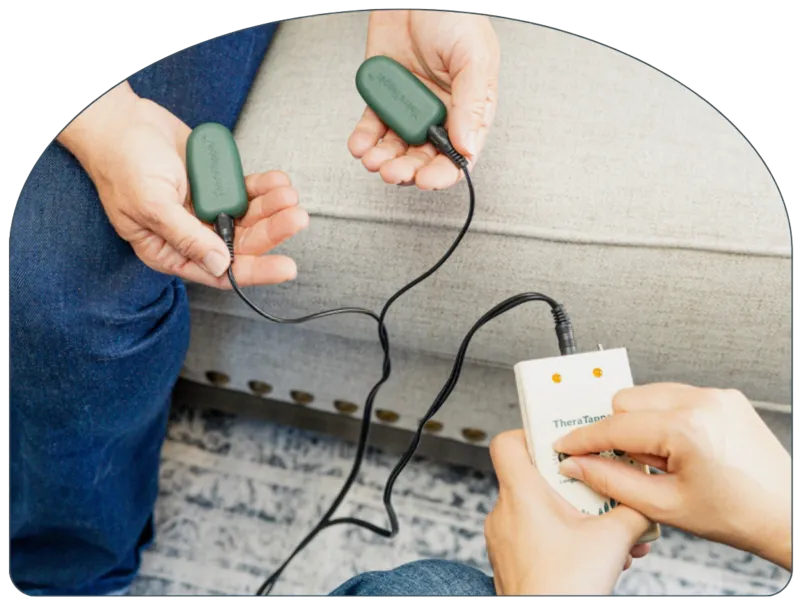
One of the things people often associate with EMDR is bilateral stimulation (BLS). This involves alternating stimulation between the left and right sides of the body while briefly bringing a distressing memory to mind.
Bilateral stimulation can take several forms:
- Eye movements: Following the therapist’s fingers or a moving object back and forth with your eyes.
- Tapping: Alternating gentle taps on the left and right sides of the body, such as on your hands or knees.
- Auditory stimulation: Listening to alternating tones through headphones.
Research suggests that bilateral stimulation may help make distressing memories less vivid and emotionally intense by engaging working memory, the part of our mind that temporarily holds and works with information to solve problems.
What Does EMDR Therapy Look Like?
I generally think of EMDR in three broad steps: treatment planning, preparation, and reprocessing. How long each step takes will vary depending on your history, what you want to work on, and how you respond to treatment.
1. Treatment Planning
I’ll start by getting to know you, your history, and what brings you to therapy. Together, we’ll develop a treatment plan based on your goals and begin identifying the memories, negative beliefs, and patterns that may be contributing to what you’re experiencing today.
For example, if you’re struggling with anxiety in relationships, we might begin exploring experiences where you learned that conflict was unsafe, that your needs didn’t matter, or that you had to work hard to keep others happy. If you’re struggling with self-criticism, we might explore experiences that contributed to beliefs about not being good enough or being a failure.
This process helps us identify what experiences we may want to work through and what you’d like to feel or believe differently as a result of therapy.
2. Preparation and Resourcing
Before beginning to reprocess memories, we’ll work on developing tools to help you manage difficult emotions and stay grounded. This might include practicing grounding exercises to help you reconnect with the present when you’re feeling overwhelmed, developing ways to calm your body when anxiety or distress increases, or strengthening qualities you’d like to have more access to, such as compassion, confidence, patience, or a sense of safety.
The length of this phase can vary considerably. Some people may feel ready to begin processing after a few sessions, while others, particularly those navigating complex trauma, dissociation, or significant difficulty managing emotions, may need more time.
The goal is to have a therapeutic relationship where you feel supported, have tools that are helpful to you, and have enough stability to begin approaching difficult memories. You don’t have to feel completely comfortable or free of anxiety about the process, but we’ll work together to ensure the pacing feels manageable.
3. Reprocessing: Working Through Memories
Once we’re ready to begin reprocessing, a typical EMDR session might look something like this:
First 5–10 minutes: Identifying what we’ll work on. We’ll choose a specific memory, current trigger, or future fear you’d like to address. We’ll also identify the negative belief connected to it and the positive belief you’d like to hold instead. For example, “I’m powerless” might be paired with “I can make choices now.” We’ll establish a baseline for how distressing the memory feels and how strongly you believe the positive statement.
Next 20–30 minutes: Reprocessing. You’ll briefly bring the memory to mind while engaging in bilateral stimulation, such as following my fingers with your eyes or alternating taps. I’ll periodically check in with you, and we’ll follow what comes up as your brain works through the experience. Over time, we may notice the memory becoming less distressing, the positive belief feeling more believable, or changes in how you experience the memory in your body.
The remainder of the session: Integration and closure. We’ll check in about what you’re noticing, help you return to a grounded state, and make sure you’re ready to leave the session.
Not every memory will be fully processed in one session. Sometimes we’ll work through a memory in a single session, while other times we’ll work on it across multiple sessions. As we work through experiences that are connected to one another, you may also find that other memories or triggers begin to feel less distressing without needing to process each one individually.
How long EMDR therapy takes overall depends on what you’re working through. Someone addressing a single traumatic event may need considerably less time than someone working through complex trauma, years of negative beliefs, or multiple distressing experiences. There isn’t a set number of sessions, and we’ll continually assess your progress and adjust the treatment plan as we go.
Is EMDR Right for You?
EMDR can be a helpful approach for people who feel that past experiences continue to affect how they see themselves, relate to others, or respond to situations in their everyday lives. This includes people who have experienced a single traumatic event, as well as those navigating childhood trauma, complex trauma, medical trauma, or repeated experiences of emotional or physical harm.
If you’re interested in exploring EMDR, you don’t have to know exactly which memories need to be addressed or have a clear understanding of where your symptoms come from. We can start with what you’re experiencing now and figure out the next steps together.
If you’d like to learn more about working together, I invite you to schedule a free 15-minute consultation. We can talk about what brings you to therapy, what you’re hoping to change, and whether EMDR might be a helpful part of your treatment.


Leave a Comment
View comments